Texas summers are brutally hot, forcing home cooling systems to operate continuously. Many homeowners focus on HVAC efficiency and window shades, but the temperature of your attic space has a massive impact on your home's cooling requirements. In unventilated attics, heat builds up, climbing past 140°F. This heat transfers down into your living areas. Proper attic and roof ventilation is essential to lower energy costs and extend your roof's lifespan.
1. The Mechanics of Roof Ventilation
Attic ventilation relies on natural convection. Cooler air enters through soffit vents located under your eaves, and as it warms, it rises and escapes through ridge vents along the roof peak. This continuous airflow cycles hot air out of your attic, keeping temperatures closer to outdoor levels.
2. Reducing HVAC Workloads
Many homes have AC ducts running through the attic. If the attic is a hot zone, the air inside your ducts is warmed before it reaches your living spaces. Reducing attic temperatures lowers heat transfer into your ductwork, allowing your HVAC system to cycle off more frequently and reducing your electricity bills.
"Hot attics act like giant radiators, warming your living spaces and forcing your AC to work harder. Proper ventilation keeps your home cooler and reduces energy costs."
3. Preventing Shingle Baking
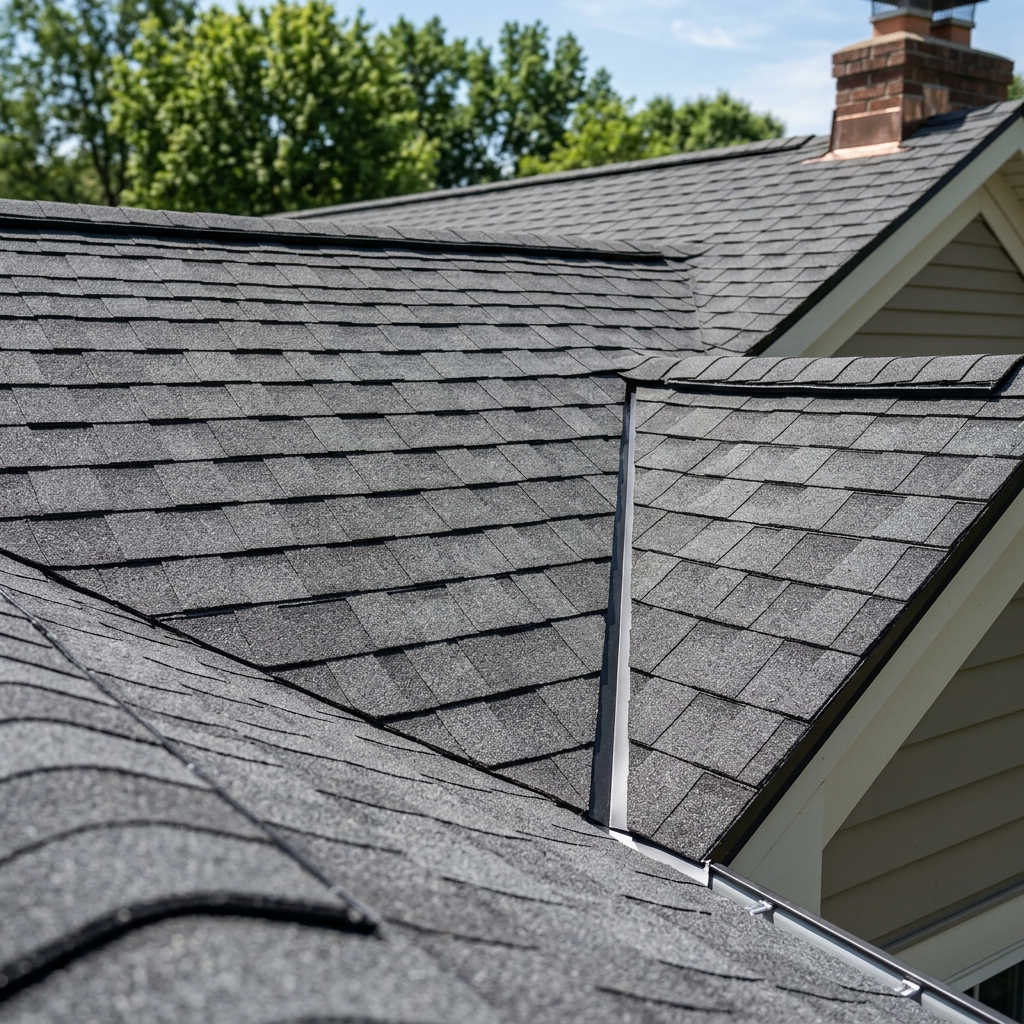
Extreme attic temperatures bake shingles from the underside, causing asphalt oils to dry out and leading to premature curling. Ensuring proper attic ventilation helps extend your roof's lifespan and protect your investment.
Lower your summer energy costs. Contact 3-R Roofing Company to request a professional inspection of your attic ventilation system today.