Living in the Dallas-Fort Worth Metroplex means enjoying beautiful springs, hot summers, and dealing with severe spring weather. For homeowners in Grand Prairie, Texas, severe hailstorms are a recurring reality. Hail can range from pea-sized stones to softball-sized projectiles, causing catastrophic damage to residential properties. Specifically, roofs absorb the brunt of these impacts. Understanding the anatomy of hail damage, how to spot it, and how to successfully document it for your property insurance is critical to keeping your home dry and protecting its structural value.
The Anatomy of Hail Damage on Asphalt Shingles
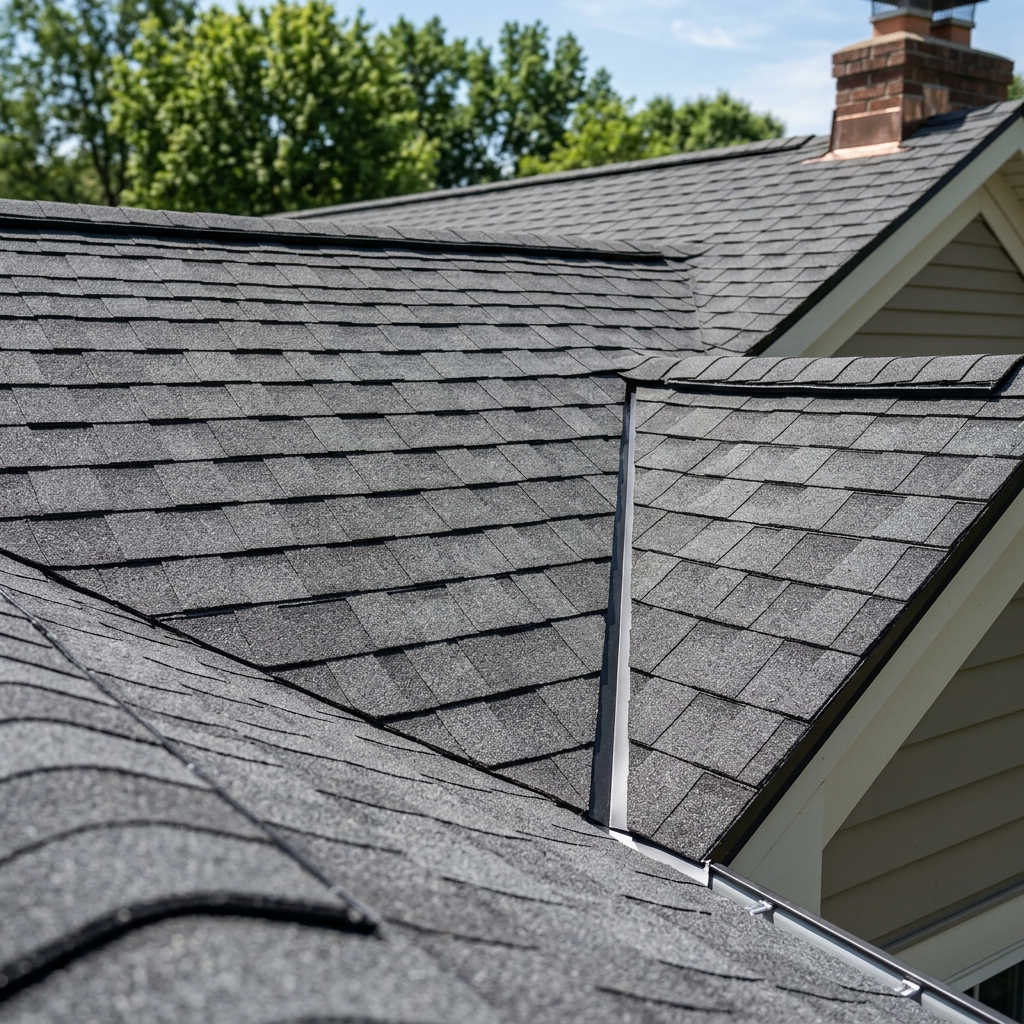
Asphalt shingles are designed to be durable, but hail impact causes mechanical stress that breaks down their protective layers. When hail strikes a shingle, it creates a localized indentation or "bruise." This impact forces the protective mineral granules on the outer layer to dislodge from the asphalt mat. Over time, the exposed asphalt degrades due to UV exposure from the hot Texas sun. This exposes the underlying fiberglass mat, leading to micro-fractures, moisture absorption, and eventual leaks in your attic.
"Many homeowners assume that if their roof isn't activey leaking after a hailstorm, everything is fine. In reality, hail impact creates microscopic stress cracks that slowly decay, leading to roof deck wood rot within 12 to 24 months."
Three Key Signs of Hail Damage
If you suspect your roof has suffered hail damage, check for these three common signs before requesting an adjuster inspection:
- Granule Accumulation: Check the exit spouts of your gutters. If you see piles of dark, sand-like granules, your shingles are shedding their protective barrier due to impact.
- Dented Soft Metals: Inspect your roof's ridge vents, exhaust pipe flashing, and metal valleys. If these soft aluminum metals show indentations, your shingles have likely absorbed matching impacts.
- Shingle Bruising: From a safe position, look for dark, circular spots on your shingles. Touching these spots will reveal a soft, spongy texture where the asphalt backing has fractured.
Filing an Insurance Claim in Texas
Under Texas insurance guidelines, homeowners typically have a limited window (often one year from the date of the storm) to file a wind or hail damage claim. It is crucial to have a certified contractor like 3-R Roofing conduct a comprehensive physical and drone audit to document evidence before filing. Our team provides insurance adjusters with structured, line-itemed reports showing high-res damage coordinates, helping you secure a fair claim settlement.
If you suspect hail damage from recent DFW storms, do not delay. Contact 3-R Roofing Company today to schedule a detailed on-site roof audit.